Get Invasive Vine Removal in Santa Cruz County, CA
Invasive vine removal services for Santa Cruz County help property owners clear overgrown vines like ivy and blackberry that damage structures, block sunlight, and hinder landscaping projects.
Invasive vine growth can quickly overtake landscapes, obstruct views, and damage native plants, making removal a practical consideration for property owners in Santa Cruz County, CA. Whether managing a residential yard or maintaining a commercial property, addressing these invasive plants helps preserve the health and appearance of outdoor spaces. Finding experienced service providers who understand local plant species and removal techniques can simplify planning and ensure effective results.
Property owners exploring invasive vine removal are encouraged to compare options from reputable local contractors who specialize in landscape management. These professionals can assess the specific needs of a property, recommend appropriate removal methods, and help develop a plan that aligns with individual landscape goals. Continuing to explore available services can lead to informed decisions for maintaining a healthy, attractive outdoor environment.
- Invasive Vine Removal - needed when invasive vines threaten native plant growth in Santa Cruz neighborhoods.
- Vine Overgrowth Clearing - required when vines have taken over fences, trees, or structures in residential yards.
- Vegetation Management - essential for controlling invasive species that compromise landscape health in nearby communities.
- Property Restoration - necessary after invasive vines have caused damage to outdoor spaces or structures.
- Landscaping Cleanup - needed to remove invasive vines that hinder aesthetic appeal and plant diversity in local areas.
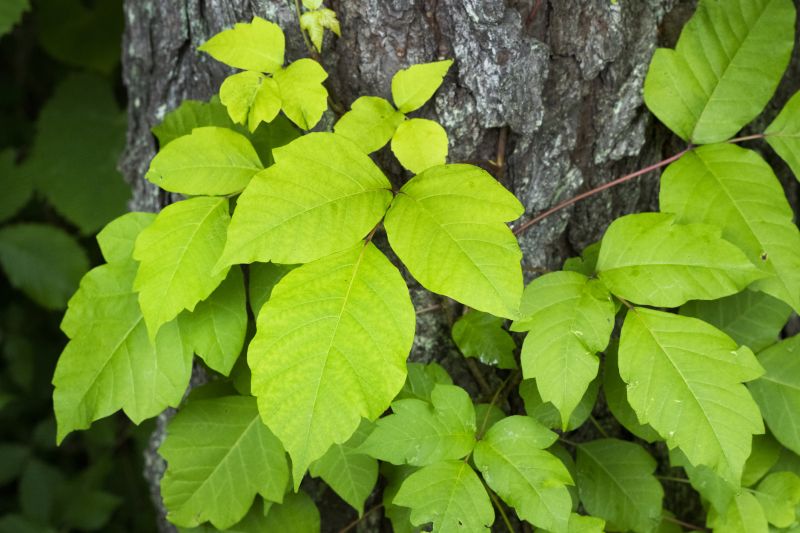


Invasive vine removal services involve the careful and thorough clearing of unwanted, aggressive vine species that can quickly overtake a property’s landscape. These services typically include identifying invasive vines such as English ivy, kudzu, or other fast-growing species, and then carefully removing them from trees, fences, walls, and ground areas. The process may involve cutting back thick vine growth, removing root systems to prevent regrowth, and ensuring that the surrounding plants and structures are not damaged during the removal. This work helps restore the natural balance of a yard or garden, promoting healthier plant growth and preventing the vines from causing structural issues.
Invasive vines can cause a variety of problems for property owners. They often grow rapidly and can smother native plants, trees, and shrubs, leading to reduced sunlight and airflow for other vegetation. When left unchecked, these vines can weaken trees by adding excessive weight or constricting their growth, sometimes resulting in damage or even tree death. Additionally, invasive vines can create safety hazards by covering pathways, fences, or structures, making outdoor spaces less accessible or more difficult to maintain. Removing these vines helps mitigate these risks, improving both the safety and appearance of a property.
Properties that typically seek invasive vine removal services include residential yards, commercial properties, and public parks. Homes with mature trees or extensive landscaping often face issues with invasive vines taking hold and spreading quickly. Commercial properties with fences, walls, or decorative features may also experience vine overgrowth that impacts curb appeal or security. Public parks and community spaces may require regular maintenance to control invasive species that threaten native ecosystems and landscape integrity. In all cases, professional removal ensures that the vines are eliminated effectively without damaging the existing landscape or structures.
Homeowners and property managers should consider invasive vine removal when noticing rapid vine growth, damage to trees or structures, or overgrown areas that hinder access or visibility. If vines are beginning to cover significant portions of a yard, or if they are causing damage to fences, walls, or trees, professional services can help address the problem. Regular maintenance and timely removal can prevent invasive vines from taking over a property, protecting both the landscape and structural integrity. Local contractors experienced in invasive vine removal can provide the expertise needed to restore and maintain a healthy, attractive outdoor space.
The overview below groups typical Invasive Vine Removal projects into broad ranges so you can see how smaller, mid-sized, and larger jobs often compare in Santa Cruz County, CA.
In many markets, a large share of routine jobs stays in the lower and middle ranges, while only a smaller percentage of projects moves into the highest bands when the work is more complex or site conditions are harder than average.
Small-Scale Removal - Typically costs between $250 and $600 for routine jobs involving limited vine growth on accessible areas. Many local contractors handle these smaller projects efficiently within this range. Larger or more complex jobs may cost more depending on vine density and site conditions.
Medium-Sized Projects - Costs generally range from $600 to $1,500 for moderate invasive vine removal on residential properties. These projects often involve multiple areas or partial property treatments, with costs varying based on vine type and extent.
Large or Complex Jobs - Larger projects, such as extensive vine removal across multiple sites or difficult terrain, can range from $1,500 to $3,500. Fewer projects fall into this highest tier, typically requiring specialized equipment or additional labor.
Full Property Overhaul - Complete removal efforts for large properties or heavily infested landscapes can exceed $5,000. These projects are less common and often involve ongoing management or restoration work by local service providers.
Actual totals will depend on details like access to the work area, the scope of the project, and the materials selected, so use these as general starting points rather than exact figures.
Tree and Shrub Removal - This project involves removing overgrown or unwanted trees and shrubs, requiring similar planning and tools used in invasive vine removal to clear and manage dense plant growth.
Landscape Clearing and Brush Removal - Clearing overgrown areas and removing thick brush shares techniques with invasive vine removal, focusing on site preparation and debris management.
Garden and Yard Cleanup - Removing invasive plants and vines is similar to general yard cleanup tasks that involve pruning, cutting, and disposal of plant material.
Storm Damage Debris Removal - Handling fallen branches and uprooted plants due to storms requires similar equipment and safety considerations as invasive vine removal projects.
Fence and Structure Clearing - Clearing vines and invasive growth from fences or structures involves similar skills in trimming and material removal to restore access and appearance.
Erosion Control Planting - Installing or managing ground cover and plants to prevent erosion involves planning and plant management skills akin to invasive vine control efforts.
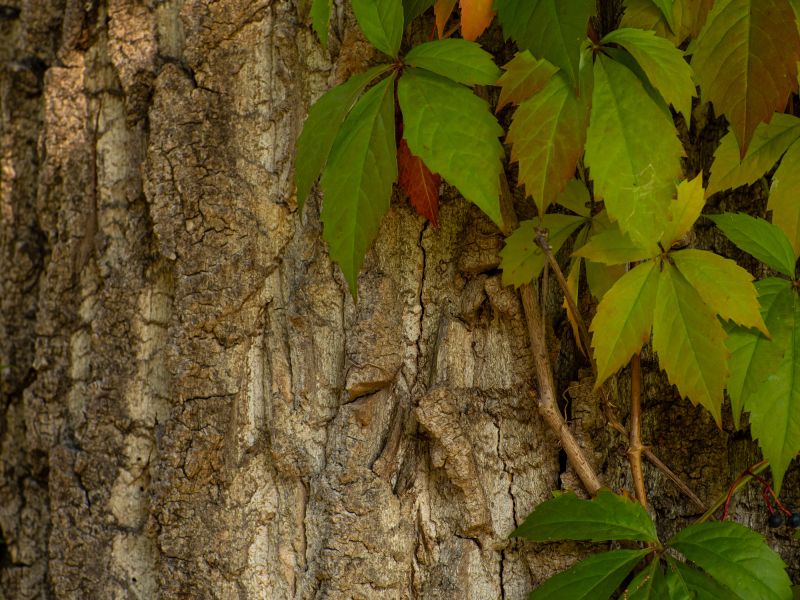
When evaluating service providers for invasive vine removal, it’s important to consider their experience with similar projects in Santa Cruz County and nearby areas. Homeowners should inquire about how long a contractor has been working on invasive plant removal and whether they have handled properties comparable in size or vine type. An experienced professional will be familiar with the common challenges associated with invasive vines in the local climate and landscape, which can contribute to more effective and efficient results.
Clear, written expectations are essential when comparing local contractors. Homeowners should look for providers who can offer detailed descriptions of their services, including the scope of work, methods used, and any necessary follow-up. Having these expectations documented helps ensure that both parties are aligned on what will be done and reduces the risk of misunderstandings. Service providers who communicate these details openly tend to be more transparent and reliable, making it easier for homeowners to make informed decisions.
Reputable references and strong communication are key factors when selecting a professional for invasive vine removal. Homeowners should ask for references from previous clients who had similar work done, and consider how well the contractor responded to questions and provided updates during the initial contact. Effective communication, including prompt responses and clarity about the process, indicates a contractor’s professionalism and dedication to customer service. It’s important to remember that this site introduces homeowners to local options for invasive vine removal services, but it does not perform or guarantee the work itself.
Property owners in Santa Cruz County, CA use Invasive Vine Removal services for practical projects around their homes and businesses. This guide focuses on everyday jobs and straightforward project options.
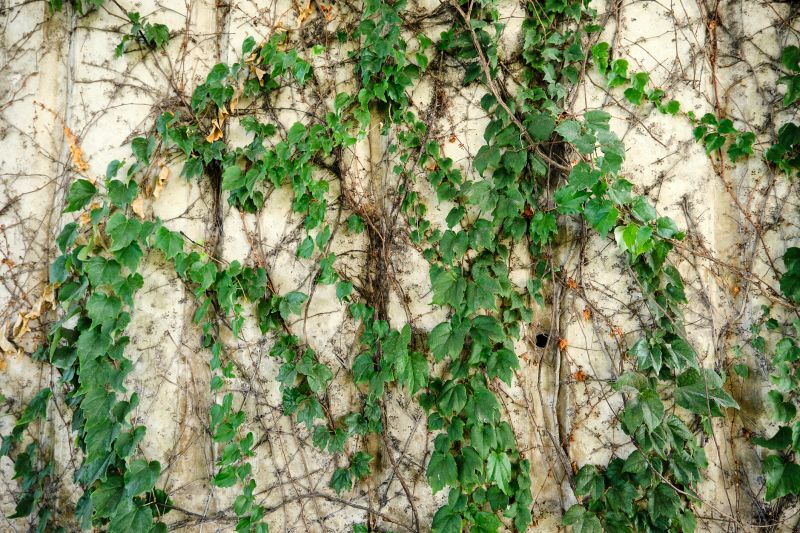
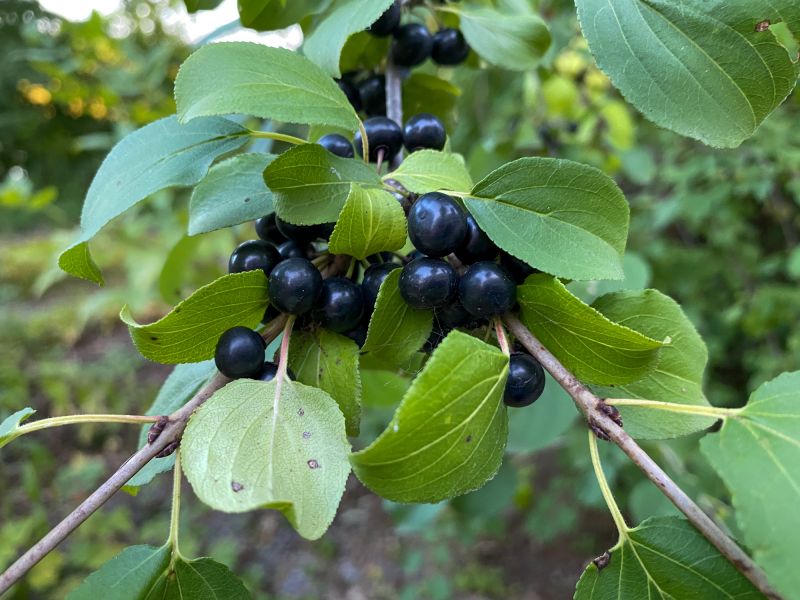
In Santa Cruz County, property owners often seek invasive vine removal services when unruly plants start overtaking gardens, fences, or trees. Overgrown vines can hinder sunlight, damage structures, or create an unkempt appearance that affects curb appeal. Local contractors are experienced in safely removing invasive species like ivy, morning glories, or other invasive vines that threaten native plants and landscape health. These professionals can assess the extent of the growth and recommend effective removal methods to restore the natural beauty of outdoor spaces.
Homeowners may also look for invasive vine removal when vines have become a safety concern or are causing damage to property features. For example, thick vines climbing on decks, pergolas, or utility lines can pose risks or lead to additional repair needs. Local service providers can help clear these invasive plants, preventing further damage and maintaining the safety and integrity of the property. Connecting with experienced contractors ensures that invasive vines are handled properly, helping to preserve the landscape and prevent future growth issues.
What are invasive vines? Invasive vines are non-native plants that grow aggressively, often outcompeting local vegetation and disrupting natural ecosystems in Santa Cruz County and nearby areas.
Why should invasive vine removal be done? Removing invasive vines helps restore native plant growth, improves landscape health, and prevents damage to trees and structures caused by unchecked vine growth.
How do local service providers remove invasive vines? Professionals typically use manual cutting, trimming, and specialized equipment to carefully remove invasive vines without harming surrounding plants or property.
Are invasive vine removal services suitable for residential properties? Yes, local contractors often offer invasive vine removal for residential landscapes to help maintain healthy, attractive outdoor spaces.
What should be considered before hiring a vine removal service? It’s important to evaluate the experience of the service provider, their methods for invasive plant removal, and their ability to handle the specific types of vines present on the property.
Invasive Vine Removal for Garden Maintenance - property owners can clear overgrown vines to promote healthier plant growth and improve curb appeal.
Yard Renovation with Vine Removal - removing invasive vines can prepare a yard for new landscaping projects or lawn restoration.
Preventing Structural Damage - local contractors can help eliminate vines that threaten building exteriors, decks, or fences.
Creating a Safer Outdoor Space - removing invasive vines can reduce hazards and make pathways or outdoor areas safer for family activities.
If you are thinking about Invasive Vine Removal for a property in Santa Cruz County, CA, this guide is meant to help you understand the work, the typical project types, and how different options might fit your plans.
When you are ready, you can use the quote form on this page to share a few details about your project. From there, local pros can review the basics and respond with options that match what you have in mind.